
Event Details:

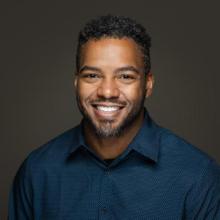
Jordan Moore
Postdoc, Stanford University
Injectable Drug-Eluting Scaffold To Improve Cognition after Ischemic Stroke
Bio
Jordan Taylor Moore, PhD, is a postdoctoral scholar at Stanford University working in the laboratories of Drs. Sarah Heilshorn and Marion Buckwalter. His research focuses on developing biomaterial-based strategies to repair the blood–brain barrier and improve cognitive outcomes following ischemic stroke. Using in vitro and cellular models, Dr. Moore investigates mechanisms of vascular dysfunction and neurovascular repair to guide the design of therapeutic interventions. His long-term goal is to develop non-viral therapeutic approaches to treat neurological injuries associated with neurovascular dysfunction.
Dr. Moore received his PhD in Biomedical Engineering from The Ohio State University, where he trained under the mentorship of Dr. Daniel Gallego Perez with an emphasis on direct cell reprogramming strategies for vascular engineering in peripheral nerve injury. He is an NIH Pathway to Independence (K99/R00) funded investigator and a recipient of the Burroughs Wellcome Fund PDEP Award and Stanford Propel Fellowship.
Abstract
Ischemic stroke often leads to progressive cognitive decline months to years after injury, yet no therapeutics currently address these long-term deficits. Following ischemic injury, we observe persistent vascular leakage and loss of pericytes, a key cell type required to maintain blood–brain barrier (BBB) integrity. Restoring proper barrier function is critical for mitigating chronic inflammation and cognitive decline associated with vascular dysfunction.
We are investigating injectable hydrogels as drug-eluting scaffolds to enable localized and sustained therapeutic delivery to stroke-affected brain tissue. Advances in hydrogel engineering allow precise control over injectability, mechanical properties, and degradation kinetics, making them well suited for targeted delivery within the injured brain.
To address vascular dysfunction and progressive cognitive decline, we are: (1) developing lipid-based particles for non-viral gene delivery, (2) tuning our HELP hydrogel system to match brain stiffness and degrade over a defined timeframe, and (3) evaluating whether localized delivery of our gene of interest restores BBB integrity, reduces chronic inflammation, and mitigates long-term cognitive decline.
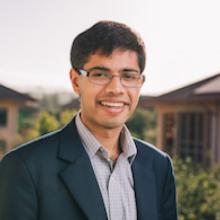
Rahul Nagvekar
Genetics PhD candidate, Stanford University
Engulfment by brain myeloid cells of a short-lived vertebrate
Bio
Rahul is a PhD candidate in Dr. Anne Brunet's lab in the Department of Genetics, where his thesis focuses on the roles of myeloid immune cells in waste clearance in the vertebrate brain. He uses the short-lived African turquoise killifish, with a lifespan of just four to six months, to highlight how waste clearance strategies are affected by aging, the greatest risk factor for many neurogenerative diseases. Rahul received his BS in Molecular, Cellular, and Developmental Biology from Yale University, where he researched long non-coding RNAs in the p53 anti-cancer pathway.
Abstract
Engulfment by innate immune cells, including myeloid cells, represents a key waste clearance mechanism in the vertebrate brain that may underlie promising new therapeutic possibilities to counter brain aging and neurodegenerative diseases. However, few in vivo models exist to study engulfment in the brain and characterize this process during aging and across species. Here we present a genetic model for secretion of a fluorescent protein by neurons and other non-immune cells in the brain of the African turquoise killifish, the shortest-lived vertebrate that can be bred in captivity. We use this model to identify a population of brain myeloid cells in the killifish responsible for engulfment of substrates from the brain extracellular space. Interestingly, many of these cells bear similarities to mammalian border-associated macrophages, a rare subset of myeloid cells in mouse and human brains noted for endocytic function. We additionally find that in our model, killifish brain myeloid cells decline in engulfment capacity with age. Our model highlights how vertebrate brain myeloid cells, particularly those at brain border regions, can play a critical role in clearance and provides an opportunity to test interventions that can boost engulfment and promote brain resilience in old age and disease.
About the Series
The first Monday of each month, the Knight Initiative for Brain Resilience will host monthly seminars to bring together awardees, affiliated professors and students for a series of 'lab meeting' styled talks. Two speakers will discuss their brain resilience research, experiences in the field, and answer questions about their work.
To support our researchers' participation in this open science ‘lab-meeting style’ exchange of ideas, these seminars are not streamed/recorded and are only open to members of the Stanford community.