
Neurosciences Seminar: Staci Bilbo - Lung-brain signaling in mental health outcomes
Join the speaker for coffee, cookies, and conversation before the talk, starting at 11:45am.
Lung-brain signaling in mental health outcomes
Abstract
Knowledge linking connections between the lung and the brain has been with us for millennia, spanning ancient (ayurvedic) breathing practices aimed at breath awareness/control, to the prevailing recognition in recent years that respiratory insults (e.g., infection, allergens) can have lasting impacts on mood, cognition, pain, and other aspects of brain function. Despite these links, we know little about the mechanisms by which these two critical organs communicate. The lung has a small population of specialized sensory epithelial cells called pulmonary neuroendocrine cells (PNECs) that sit in clusters at the branch points of the major airways. PNECs are the first lung epithelial cell to differentiate during early development and have key morphogenic roles during the transition to an air environment after birth. Whereas PNECs share redundant immune secretary functions with several other lung cells, they are the only innervated cells of the lung epithelium and were initially discovered based on hallmark secretary vesicles, pointing to their neural signaling function. I hypothesize a primary function of PNECs is to communicate with the brain and are critical for the behavioral consequences of lung (dys)function broadly. To begin to investigate these questions, we developed a model to efficiently ablate PNECs in mice and determined the brain and lung response to a common respiratory insult, influenza infection. Our preliminary data suggests that lung activity detected via the PNECs is rapidly transduced to the CNS via vagal afferents, which impacts brain function via the encoding of immune “engrams” (memories) within select brain regions, which if reactivated, can persistently impact behavior (e.g. anxiety). A primary goal of this research going forward is to comprehensively phenotype behavior (mood, cognition, pain) in the days and weeks after infection recovery and subsequent neural reactivation to determine the persistence of immune engrams within the brain. Then, we will determine if we can modulate PNECs to impact immune engram formation/maintenance and alleviate behavioral consequences such as anxiety. A parallel goal is to examine these questions using a developmental lens.
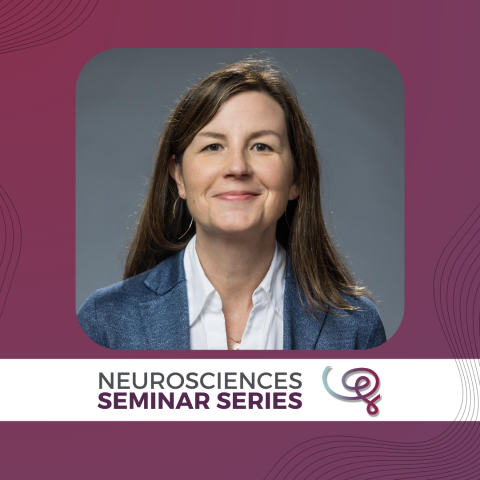
Staci Bilbo, PhD
Haley Family Professor of Psychology & Neuroscience Departments of Neurobiology, Integrative Immunobiology, and Cell Biology, Duke University | she/her
Dr. Staci Bilbo is a Professor of Neuroscience, Integrative Immunobiology, and Cell Biology at Duke University. She was named Interim Chair of Neurobiology in Dec. 2025. Her research is broadly focused on the mechanisms by which the immune and endocrine systems interact with the brain to impact health and behavior, particularly during critical developmental windows. Her research program is primarily aimed at exploring the mechanisms by which innate central nervous system immune cells - microglia - and signaling molecules such as cytokines and chemokines, influence both normal and abnormal brain development, and the implications for (mal)adaptive behavioral outcomes later in life, including a focus on neurodevelopmental disorders such as autism spectrum disorder, but extending to later life neurodegeneration as well. Dr. Bilbo received her B.A. in Psychology and Biology from the University of Texas at Austin and her PhD in Neuroendocrinology at Johns Hopkins University. She was on the faculty at Duke University from 2007-2015 before she joined the faculty at Harvard where she served as the Lurie Family Associate Professor of Pediatrics and Neuroscience at Harvard Medical School and as the Director of Research for the Lurie Center for Autism at Massachusetts General Hospital for Children. She returned to Duke in 2019 as the Haley Family Professor of Psychology and Neuroscience. She is the recipient of the 2025 Dean’s Award for Excellence in Mentoring from Duke University and cares deeply about mentoring at all levels.
Hosted by Karen Malacon (Monje Lab)
This seminar is co-presented by Psychiatry Grand Rounds | Department of Psychiatry and Behavioral Sciences
Sign up for Speaker Meet-ups
Engagement with our seminar speakers extends beyond the lecture. On seminar days, invited speakers meet one-on-one with faculty members, have lunch with a small group of trainees, and enjoy dinner with a small group of faculty and the speaker's host.
If you’re a Stanford faculty member or trainee interested in participating in these Speaker Meet-up opportunities, click the button below to express your interest. Depending on availability, you may be invited to join the speaker for one of these enriching experiences.
Speaker Meet-ups Interest Form
About the Wu Tsai Neurosciences Seminar Series
The Wu Tsai Neurosciences Institute seminar series brings together the Stanford neuroscience community to discuss cutting-edge, cross-disciplinary brain research, from biochemistry to behavior and beyond.
Topics include new discoveries in fundamental neurobiology; advances in human and translational neuroscience; insights from computational and theoretical neuroscience; and the development of novel research technologies and neuro-engineering breakthroughs.
Unless otherwise noted, seminars are held Thursdays at 12:00 noon PT.