
Jonathan Kipnis - Navigating turbulent CNS waters
Join the speaker for coffee, cookies, and conversation before the talk, starting at 11:45am.
Navigating turbulent CNS waters
Abstract
The central nervous system was long viewed as an immune-privileged organ, largely isolated from peripheral physiology. Over the past decade, this paradigm has shifted. Our work has revealed that the brain continuously exchanges signals, cells, and molecules with the immune and lymphatic systems, and that these interactions are essential for normal brain function, aging, and disease. In this lecture, I will discuss recent discoveries that redefine the anatomical and physiological pathways connecting the brain to the rest of the body, including meningeal lymphatics, skull and vertebral bone marrow, and cerebrospinal fluid dynamics. I will also present emerging evidence that dysfunction of these systems contributes to neurological disorders and cognitive decline, highlighting new therapeutic opportunities at the interface of neuroscience and immunology.
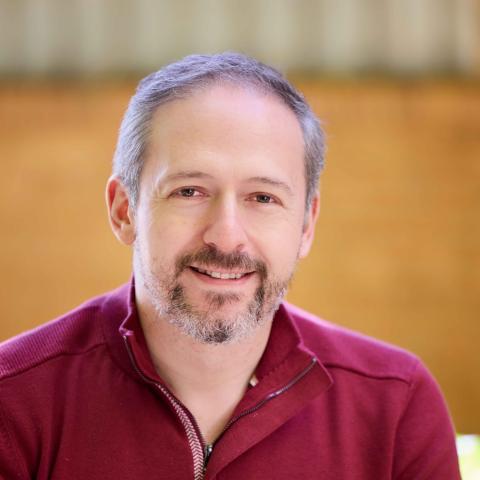
Jonathan Kipnis, PhD
Alan A. and Edith L. Wolff Distinguished Professor of Pathology and Immunology, Washington University at St. Louis
Dr. Jonathan (Jony) Kipnis is BJC Investigator, Alan A. and Edith L. Wolff Distinguished Professor of Pathology and Immunology and Professor of Neurology, Neuroscience, and Neurosurgery at Washington University in St. Louis, School of Medicine. He is also the inaugural Director of Brain immunology and Glia (BIG) Center at Washington University. Jony graduated from the Weizmann Institute of Science in Israel, where he was Sir Charles Clore Scholar and a recipient of distinguished prize for scientific achievements awarded by the Israeli Parliament, The Knesset.
The Kipnis laboratory investigates the interactions between the immune system and the central nervous system, with a focus on the cellular and molecular mechanisms that govern brain function in health, aging, and neurological disease. His group demonstrated that normal brain function depends, in part, on an intact immune system and identified several cytokines as important neuromodulators. Most notably, his laboratory discovered the meningeal lymphatic vessels that drain the central nervous system into peripheral lymph nodes, revealing a direct anatomical link between the brain and the immune system. This finding reshaped the concept of central nervous system immune privilege and opened new avenues for studying neuroimmune interactions in health and disease, with implications for disorders including Alzheimer's disease, multiple sclerosis, autism, and age-related cognitive decline.
Dr. Kipnis is a member of National Academy of Medicine.
Hosted by Gibson Lab
Sign up for Speaker Meet-ups
Engagement with our seminar speakers extends beyond the lecture. On seminar days, invited speakers meet one-on-one with faculty members, have lunch with a small group of trainees, and enjoy dinner with a small group of faculty and the speaker's host.
If you’re a Stanford faculty member or trainee interested in participating in these Speaker Meet-up opportunities, click the button below to express your interest. Depending on availability, you may be invited to join the speaker for one of these enriching experiences.
Speaker Meet-ups Interest Form
About the Wu Tsai Neurosciences Seminar Series
The Wu Tsai Neurosciences Institute seminar series brings together the Stanford neuroscience community to discuss cutting-edge, cross-disciplinary brain research, from biochemistry to behavior and beyond.
Topics include new discoveries in fundamental neurobiology; advances in human and translational neuroscience; insights from computational and theoretical neuroscience; and the development of novel research technologies and neuro-engineering breakthroughs.
Unless otherwise noted, seminars are held Thursdays at 12:00 noon PT.